3D Printed Art - The Complete B2B Sourcing Guide for Custom Sculpture Manufacturing
News Details
3D Printed Art: Elevating Commercial Spaces with Digital Craftsmanship
The landscape of commercial art procurement and spatial design is undergoing a profound evolution. Today, advanced additive manufacturing (3D printing) bridges the gap between Avant-garde artistic vision and commercial viability, offering corporate buyers unprecedented flexibility for bespoke installations.
Decoding the Tech-Driven Art Production Workflow
Unlike mass-produced decor, premium 3D printed artwork is a synergy of digital sculpting and meticulous craftsmanship. The process begins not with rigid industrial CAD, but with complex organic modeling in software like ZBrush or Blender, where artists block out intricate geometries.
Once the digital asset is finalized, specialized technicians optimize the model's internal structural integrity (infill geometry) to ensure stability at scale. While digital execution ensures that the core proportions remain flawless, the definitive value of the artwork lies in post-processing. Depending on the complexity and curing times of specialized coatings, standard lead times for commercial-grade sculptures typically range from 3 to 8 weeks—a realistic timeline that guarantees gallery-quality results rather than rushed industrial outputs.
Strategic Value for B Enterprise Buyers
For interior designers, hospitality brands, and visual merchandisers, digitally fabricated art offers distinct strategic advantages over traditional casting methods:
-
Design Liberty without Mold Constraints: Traditional bronze or resin casting requires costly, irreversible molds. 3D printing allows corporate buyers to scale, tweak, or customize a sculpture to fit specific spatial dimensions without incurring tool-rebuilding overheads.
-
Low-Volume Feasibility: It enables cost-effective short runs (e.g., a limited series of 5 to 10 signature pieces for a luxury hotel chain), preserving the exclusivity that commercial clients demand.
-
Structural Predictability: Buyers can review precise digital renderings and structural stress tests before manufacturing begins, significantly lowering procurement risks for large-scale public art.
Material Science Meets Fine Art Finishing
Selecting the right substrate is crucial for ensuring longevity and visual impact in commercial environments:
-
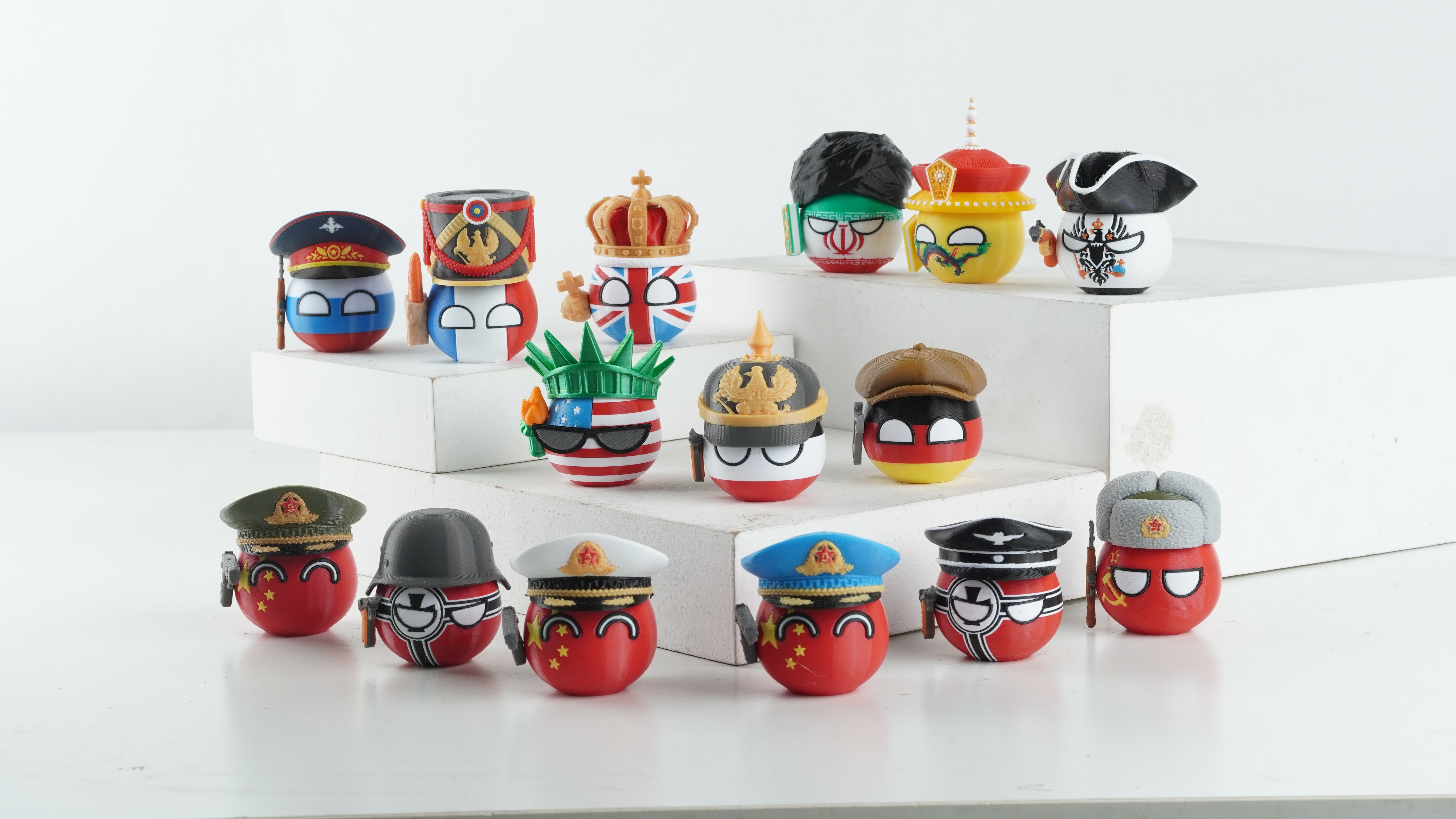
Photopolymer Resins (SLA/DLP): Ideal for mid-scale, ultra-high-definition interior statement pieces or IP-driven collectibles requiring flawless surface details.
-
Industrial Thermoplastics (FDM/FGF): Utilizing materials like ASA or carbon-fiber composites, these are perfect for large-scale lightweight structural frameworks or visual merchandising displays.
-
Selective Laser Sintering (SLS) & Metal AM: Nylon powders and atomized metals (bronze, stainless steel) deliver the durability required for heavy-traffic indoor lobbies or permanent outdoor public installations.
The Finishing Touch: A raw 3D print is merely a canvas. The transformation into a masterpiece happens during post-processing, where artisans perform multi-stage hand-sanding, precision priming, and apply automotive-grade UV-resistant lacquers or faux-metallic patinas.
Sourcing Guide for Art Consultants and Procurement Managers
When vetting a digital fabrication partner for your next commercial project, prioritize their artisan integration over machine capacity alone. Begin with a comprehensive brief detailing the site's environmental conditions (indoor humidity vs. outdoor UV exposure) and structural load limits. Always request a 1:1 scale texture sample to verify the tactile finish and color accuracy under commercial lighting before greenlighting the final production.