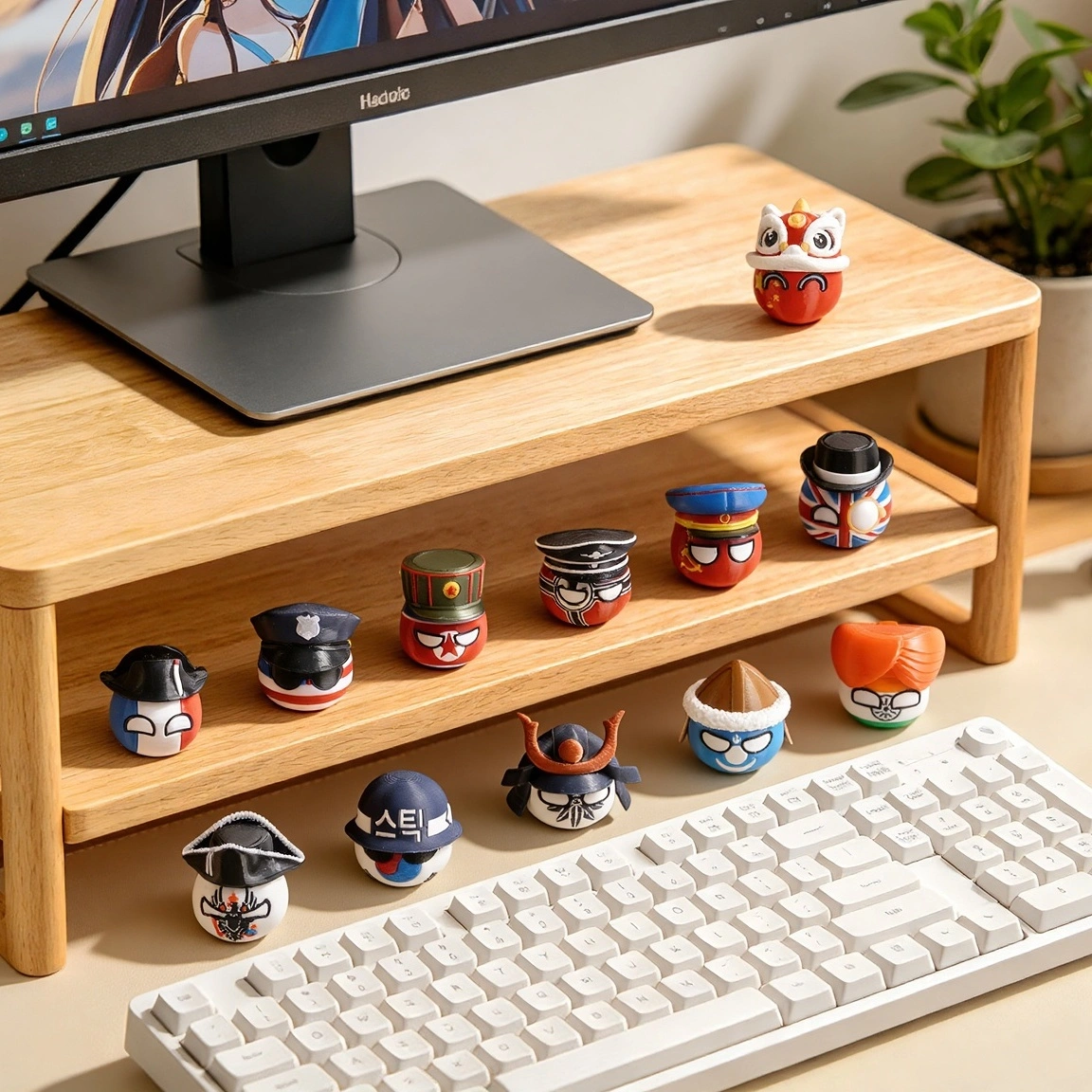
FDM 3D Printed Models & Figurines
Product Information
Brand:
ModMagic House
Specifications:
FDM 3D Printing


Manufacturing Process & Additive Craftsmanship
This collection of desktop models is manufactured utilizing advanced FDM (Fused Deposition Modeling) 3D printing technology. This computer-controlled additive manufacturing process constructs physical three-dimensional objects layer-by-layer by precisely extruding heated thermoplastic filaments through a fine-diameter nozzle.
Structural and Visual Characteristics:
-
Authentic Layer Textures: FDM printing naturally produces ultra-fine, microscopic horizontal layer lines across the surface of the model. These visible lines serve as an authentic hallmark of the 3D printing craftsmanship, providing a distinct, modern industrial aesthetic that sets it apart from mass-produced, injection-molded plastic items.
-
Interlayer Adhesion & Durability: By depositing material in continuous, overlapping thermal paths, the models exhibit high structural integrity and excellent tensile strength along the horizontal axes, making them resilient to standard handling and minor impacts.
-
Geometric Fidelity: The automated mechanical extrusion ensures high precision and replication fidelity to the original digital CAD files, accurately translating complex geometries, organic curves, and sharp angles into physical forms.
Material Specifications & Polymer Properties
The models are fabricated using premium, industrial-grade thermoplastics engineered specifically for dimensional stability, crisp detail retention, and long-term environmental durability.
Material Attributes:
-
Thermal Deflection Resistance: The polymer maintains its rigid structural profile under standard indoor ambient temperatures, preventing warping, creeping, or sagging over multi-year displays.
-
Surface Reflection Control: The extruded material delivers a consistent satin-to-matte finish. This surface characteristic minimizes harsh ambient light reflections, allowing light and shadow to naturally accentuate the model’s geometric contours.
-
Environmental & Compositional Safety: The chosen thermoplastic filament is non-toxic, chemically stable, and completely odorless post-processing, making it safe for long-term placement in home environments, office spaces, and enclosed display cabinets.
Internal Engineering & Balance Optimization
To achieve a balance between external aesthetic detail and physical stability, the internal architecture of each model is structurally engineered rather than being printed as a solid mass.
Internal Matrix & Physics:
-
Internal Infill Architecture: The interior of the model features a high-efficiency geometric infill matrix (such as a gyroid or honeycomb pattern). This configuration optimizes the strength-to-weight ratio, providing rigid internal support while managing the overall weight.
-
Center of Gravity Optimization: The distribution of internal infill density is strategically balanced during the slicing process to ensure a low center of gravity. This allows models—even those with unique or top-heavy geometries—to remain stable and securely balanced on flat surfaces.
-
Precision Overhang Management: Complex outward extensions and overhangs are printed using calibrated temporary support structures, ensuring clean boundary lines and preventing material sagging during the rapid cooling phase.
Technical Data Sheet (TDS)
| Parameter | Specifications & Standards |
| Production Technology | FDM (Fused Deposition Modeling) / Additive Manufacturing |
| Material Composition | Premium Rigid Thermoplastic Polymer (PLA/PETG Engineering Blend) |
| Standard Layer Height | 0.12mm – 0.20mm (Optimized for micro-detail definition) |
| Internal Infill Density | 10% – 20% (Internal geometric matrix structural support) |
| Surface Finish | Unprocessed Raw FDM Texture (Authentic layer-line finish) |
| Recommended Environment | Indoor display; avoid environments exceeding 55°C (131°F) |
Handling, Care & Maintenance Guidelines
To ensure the long-term structural integrity and aesthetic preservation of your FDM 3D printed model, please adhere to the following technical care instructions:
-
Temperature Regulation: Thermoplastic materials used in FDM printing are sensitive to elevated temperatures. Do not expose the models to direct heat sources, unventilated vehicles during summer months, or close-range, high-wattage incandescent lighting, as this may cause thermal deformation.
-
Ultraviolet (UV) Exposure: Prolonged and continuous exposure to direct solar ultraviolet (UV) radiation may lead to gradual color shifting or polymer degradation over time. Displaying the models in indirect sunlight or under LED lighting conditions is recommended.
-
Cleaning Protocols: Accumulated dust should be removed using a dry, soft-bristled brush or low-pressure compressed air. Do not submerge the model in hot water or utilize aggressive chemical solvents (such as acetone, benzene, or high-concentration alcohol), as these compounds will chemically degrade and dissolve the thermoplastic surface bonds.
Recommended products


2D Concept to 3D Modeling Service | Custom Character Digital Sculpting
Professional 2D-to-3D character modeling and digital sculpting service. We turn sketches, reference images, and concepts into print-ready STL files for action figures, figurines, and collectibles.

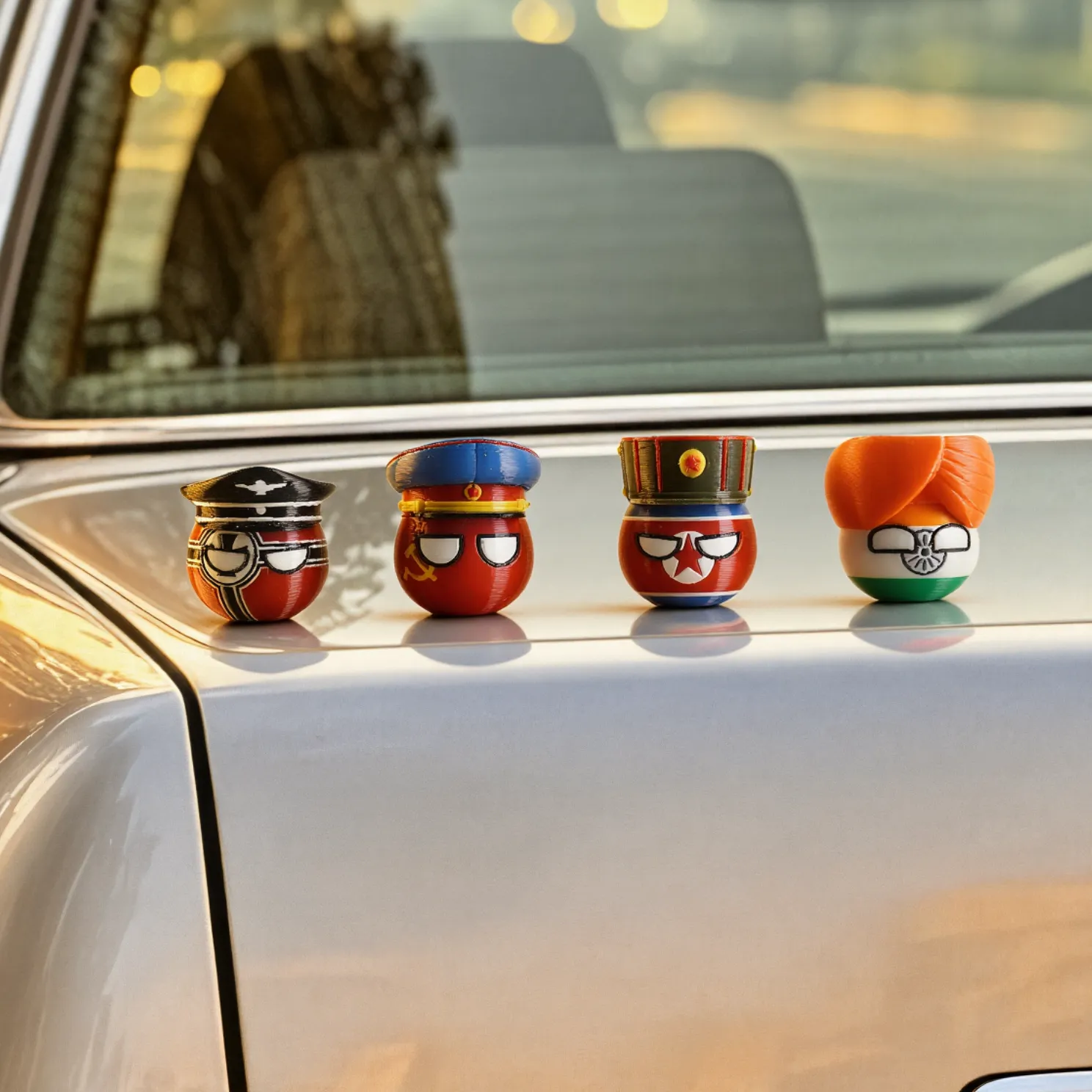
Multi-Material Custom 3D Printing Service China | Industrial Manufacturing
On-demand industrial 3D printing service in China. We support precision resin, engineering plastics, nylon, metal, and flexible materials for prototypes and batch production.

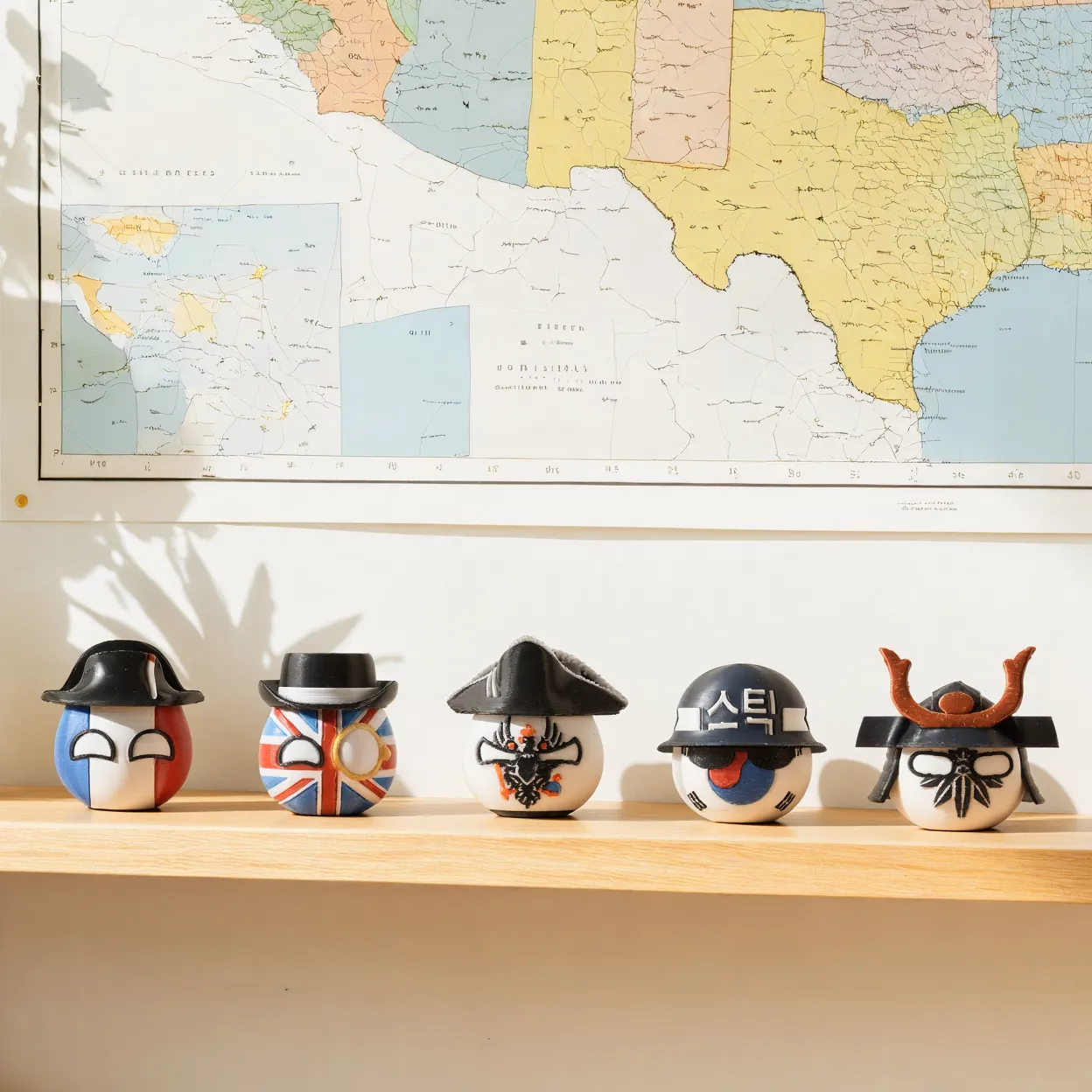
One-Stop 3D Printing Service | Custom Action Figures
Industrial SLA resin 3D printing service in China. Full-process solutions from 2D concepts and 3D sculpting to prototyping and batch production for custom figurines and anime resin statues.


